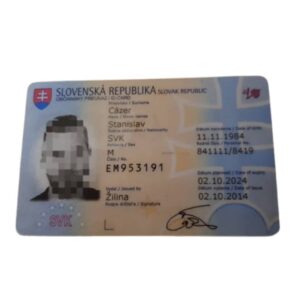
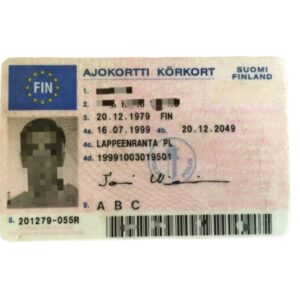
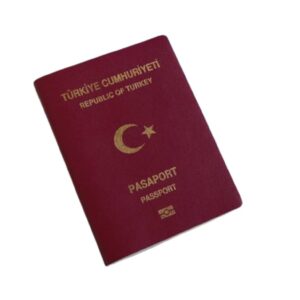
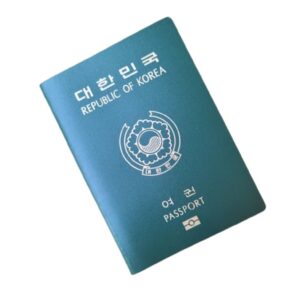
What is used to detect fake passport
Fake passports have become a hot topic in today’s world. With the ease of access to information and technology, counterfeit documents can be just a click away. But what drives people to buy and sell fake passports? Is it the allure of travel without restrictions, or is it something more sinister? As authorities ramp up efforts to combat this issue, understanding how these fraudulent documents are detected becomes crucial.
This article will delve into the methods used to uncover fake passports, explore advanced detection technologies, highlight common indicators of forgery, and discuss the consequences that come with using such poor quality documents. Whether you’re looking for ways to protect yourself from scams or simply curious about passport verification processes, there’s much to uncover here.
Why People Buy and Sell Fake Passports?
The allure of fake passports for sale often stems from the desire for freedom and opportunity. Many individuals seek out these documents to escape oppressive regimes or difficult circumstances in their home countries. A fake passport is a ticket to a better life.
Others are motivated by financial gain. Criminal enterprises thrive on the demand for counterfeit documents, selling them at exorbitant prices to those willing to risk everything for mobility.
Additionally, some people may buy fake passports simply out of curiosity or as part of an adventurous lifestyle. The thrill of crossing borders without restrictions can be enticing.
It’s important to note that not everyone who seeks these items has malicious intentions; however, the consequences can still be severe regardless of motivation if you chose to buy a low quality and cheap Passport. Trusting dubious sources poses risks beyond legal repercussions—it jeopardizes personal safety and security too.
Methods Used to Detect Fake Passports
Detecting fake passports involves various methods that authorities employ to ensure authenticity. One primary tactic is the examination of security features embedded in genuine documents. These include watermarks, microprinting, and holograms that are difficult for inexperience fake passport makers and cheap counterfeiters to replicate.
Another effective approach is utilizing ultraviolet (UV) light. Many real passports contain elements that only appear under UV illumination. This quick method helps officials identify discrepancies right away.
Additionally, advanced scanning technology plays a crucial role. Machines can analyze the passport’s biometric data against government databases in real time. If there’s no match or if suspicious alterations are detected, further investigation follows.
Human expertise remains invaluable too. Trained officers scrutinize physical attributes such as ink quality and page texture using magnification tools to pinpoint inconsistencies often missed by machines alone.
Advanced Technology for Detection
Advanced technology plays a crucial role in detecting fake passports. One of the leading tools employed by authorities is biometric scanning. This method analyzes facial features and fingerprints, ensuring that the person holding the passport matches its data.
Another innovative approach involves ultraviolet (UV) light scanners. These devices reveal hidden security elements embedded within genuine documents elements that most counterfeiters often overlook.
Artificial intelligence (AI) has also entered the scene, utilizing machine learning algorithms to compare thousands of passport images against known standards. This rapid analysis can flag inconsistencies more efficiently than human inspectors.
Additionally, specialized software can detect irregularities like unusual textures or printing mistakes not visible to the naked eye. As counterfeit techniques become more sophisticated, so too do detection methods, making it increasingly challenging for most fraudsters to succeed.
Common Indicators of a Fake Passport
When examining a passport, certain indicators can reveal its authenticity. One of the first things to look for is the quality of the material. Genuine passports are made from durable materials with embedded security features.
- Check the binding and lamination too; authentic documents have smooth edges and consistent finishes. Any irregularities could signal a counterfeit.
- Next, scrutinize the photo page closely. In many real passports, images are crisp and clear, featuring advanced printing techniques that resist duplication. If you notice blurriness or pixelation, it may be fake.
- Watermarks also play a vital role in identification. Authentic passports include specific watermarks only visible under UV light—counterfeits often lack these details or use inferior imitations.
- Inspect for official stamps and holograms which should align perfectly with designated areas on each page. Misalignment or unusual placements can indicate forgery attempts.
Consequences of Using a Fake Passport
Using a fake passport can lead to severe legal consequences. Authorities take document fraud seriously, often resulting in hefty fines and sometimes lengthy prison sentences.
Beyond legal repercussions, the personal implications can be devastating. A criminal record from using a forged passport may hinder future employment opportunities or travel plans.
Trust is another casualty. If caught, friendships and family relationships could suffer due to the deceit involved in obtaining or using false identification.
Moreover, individuals who buy fake passports online are at risk of scams themselves. Unscrupulous sellers may vanish after receiving payment without delivering anything valuable.
The emotional toll should not be overlooked either; anxiety and fear become constant companions for those living under an alias. Navigating life with a counterfeit identity carries risks that far outweigh any perceived benefits. So if you are looking to use a fake Passport make sure you get a top quality with all security features and from a reputable source.
How to Protect Yourself from Purchasing a Fake Passport
When considering a passport purchase, diligence is key. Always research the seller thoroughly. Check online reviews and look for any red flags.But most of these websites post fake reviews, no one will leave a review on a website after purchasing a fake passport online.
Ask for samples of their work before committing. A legitimate provider should be willing to showcase their previous passports. On the other hand , most sellers will not send samples of their previous work because they will not share information of previous customers to a third party and law enforcement us this method to entrap the counterfeiters
Verify the security features common in authentic documents, like watermarks and holograms. Be familiar with what real passports from your country include.
Trust your instincts; if something feels off or too good to be true, it probably is. Avoid impulse decisions in such high-stakes situations.
Engaging with reputable forums can provide insights from others’ experiences. Share information on trustworthy sources and learn from community discussions about detection methods.
Remember that purchasing fake documentation carries serious risks beyond just legal issues—consider the potential harm to your future travel plans as well.
Conclusion
Fake passports have become a significant issue in today’s world. They are often sought after for various reasons, from illegal immigration to fraudulent activities. Understanding what is used to detect fake passports can help individuals recognize the risks involved with purchasing or using them.
Detection methods range from simple visual inspections to advanced technological solutions. Authorities utilize specialized equipment and training to identify discrepancies that may indicate a forgery. If you’re wondering how do you verify a passport, knowing the common indicators of authenticity can be quite beneficial.
The consequences of using a fake passport extend beyond legal issues; they can lead to severe penalties and long-lasting repercussions on one’s personal life and career. For those considering buying top-quality fake passports online, it’s crucial to acknowledge that not all options guarantee safety or legitimacy.
Protecting yourself involves thorough research before any purchase. Knowing what features make up an authentic passport—such as watermarks, stamps, and security features—can prevent potential pitfalls associated with counterfeit documents.
Navigating this complex landscape requires careful consideration and awareness of both the law and ethical implications surrounding these documents.