Finding Where to Transfer Car Title Near Me Made Easy
Are you in the process of buying or selling a car and wondering where to transfer car title near you? We understand that dealing with DMV paperwork can be overwhelming and confusing, but we are here to make the process as easy as possible for you. Whether you’re transferring ownership of a car or motorcycle, our guide will walk you through the steps and provide all the necessary information.
You might be wondering, “where is car title number located?” or “who can transfer car title?” We have all the answers for you. By the end of this post, you will know exactly where to transfer car title near you and feel confident in completing the process. Let’s dive in and make this task stress-free and hassle-free for you!
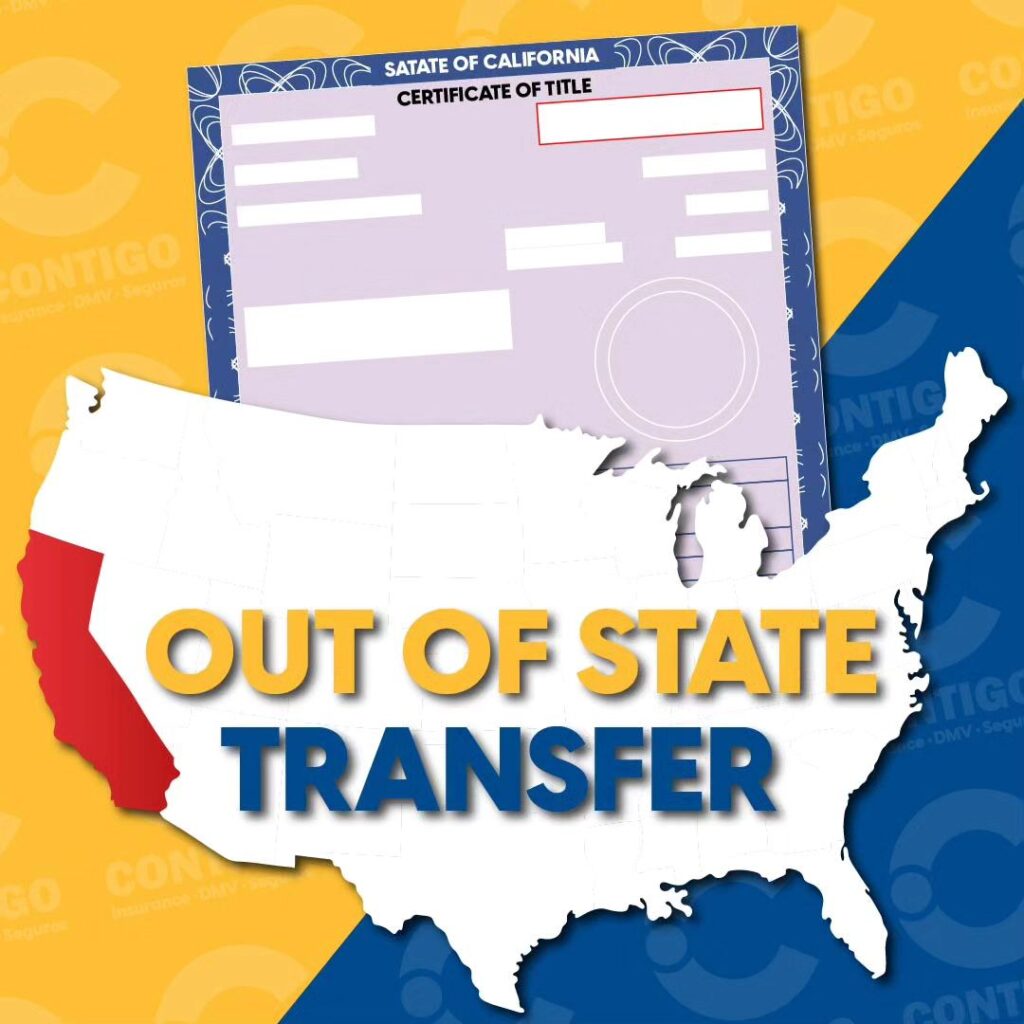
Finding Where to Transfer Car Title Near Me Made Easy
Understanding the Importance of Car Title Transfers
Transferring the title of a car is more than just a bureaucratic step; it’s a crucial legal process that ensures the rightful ownership of the vehicle. This action solidifies who is legally responsible for the car, affecting everything from insurance to accountability in the event of an accident.
When you skip or delay this process, you risk encountering legal complications, potential fines, or difficulties in proving ownership. For sellers, promptly transferring the title out of your name absolves you from any liability related to the vehicle’s future use.
For buyers, securing the title in your name is vital for establishing legal ownership, allowing you to register, insure, and drive the vehicle without issue. Knowing where to transfer car title near you is the first step in safeguarding your rights and responsibilities as a vehicle owner.
Whether it’s a car or a motorcycle transfer of ownership you’re dealing with, understanding the significance of this process helps protect you legally and financially. So, it’s not just about compliance; it’s about peace of mind. Let’s ensure you’re well-informed and ready to take this essential step in vehicle ownership.
Documents You Need for a Smooth Title Transfer
Embarking on the journey of a title transfer requires gathering the right paperwork to ensure a seamless process. Here’s a checklist of documents you’ll typically need, keeping in mind that specific requirements can vary by state:
1. The Car Title: This is the heart of the transaction. Ensure the title is clear of any liens and that all parties have signed off where necessary. If you’re pondering, “where is car title number for this paperwork?” it’s usually located on the front of the document.
2. Bill of Sale: Often required, this document outlines the transaction details, including the sale price and date. It acts as a receipt for your purchase or sale.
3. Odometer Disclosure Statement: This is needed to verify the mileage of the vehicle at the time of sale. It’s a crucial step to prevent odometer fraud.
4. Identification: A valid government-issued ID is necessary to confirm the identity of the parties involved in the transfer.
5. Proof of Insurance : Some states require proof of insurance before they will transfer the title and register the vehicle.
6. Emissions Test Documents: Depending on your state, you might need to provide evidence of a passed emissions test. Armed with these documents, you’ll be well-prepared to navigate the title transfer process. Remember, this list is a starting point. Always check with your local DMV or title office for a detailed list of requirements specific to your situation.
How to Find Your Nearest DMV or Title Office
Discovering the location of your nearest DMV or title office is simpler than you might think, and it’s a critical step in ensuring your car title transfer process goes smoothly. The easiest way to start is by using the official DMV website of your state. These websites often have a “facility finder” feature, where you can enter your ZIP code and find the closest office to your location.
Another helpful resource is the DMV title number lookup tool available online, which can assist you in identifying the specific office you need for your title transfer needs. Additionally, you can always call your state’s DMV customer service line for guidance. They can provide you with the exact address, hours of operation, and even tell you about the wait times you might expect.
Remember, some transactions might be possible to complete online or via mail, so it’s worth asking about these options to save yourself a trip. For motorcycle transfer of ownership or car title transfers, starting with a straightforward search or call can lead you in the right direction, ensuring you’re prepared before you even step out the door.
Steps to Transfer a Car Title in Your State
The process of transferring a car title can vary from state to state, making it crucial to familiarize yourself with your local requirements. However, here’s a general outline to guide you through. First, secure the car title and ensure it’s signed by both the buyer and the seller. Next, complete any required state-specific forms, which might include a bill of sale and an odometer disclosure statement.
Don’t forget to check if you need to provide proof of insurance and, in some cases, pass an emissions test depending on your location. Once your paperwork is in order, schedule a visit to your nearest DMV or title office. It’s advisable to call ahead or check online for any additional documents or fees required for your specific situation.
When you visit the DMV, bring all the collected documents, a valid form of identification, and payment for any applicable fees. The DMV will process your documents and issue a new title in the buyer’s name, officially transferring ownership. Remember, each state has its nuances, so consulting your state’s DMV website or contacting a local office directly is a smart move to ensure you’re fully prepared. This approach minimizes surprises and streamlines your title transfer process.
What to Do If You Cannot Visit an Office in Person
Many states offer convenient online options for transferring car titles, catering to those who cannot make it to a DMV or title office in person. Start by visiting your state’s DMV website to see if they provide an online title transfer service. Here, you can often complete forms and submit necessary documents electronically.
Additionally, certain states allow title transfers through mail. This involves sending your signed car title, a completed bill of sale, an odometer disclosure statement (if required), and any other necessary documents to the designated address, along with a check for the transfer fee. Before mailing your documents, it’s wise to make copies for your records.
Always check the specific instructions and requirements on your state’s DMV website to ensure you’re following the correct process. These digital and mail-in options offer a flexible solution, ensuring that the title transfer process is still accessible and manageable, even if you can’t visit an office in person.
Common Mistakes to Avoid When Transferring a Car Title
Navigating the car title transfer process can be straightforward, but common pitfalls can easily complicate matters. To ensure a smooth transition, be mindful of these frequently encountered mistakes. One of the most common oversights is not checking for or properly releasing any liens on the vehicle. If there’s an existing lien, it must be cleared before the title transfer can proceed.
Another error involves not accurately completing the required documents or leaving signature fields blank. Every designated area must be filled out correctly and signed by all parties to avoid delays. Also, failing to confirm the specific documents and fees required by your state can lead to unnecessary setbacks.
Each state has unique requirements, and assuming otherwise can halt the process. Lastly, neglecting to verify the buyer’s or seller’s information can lead to legal and financial headaches down the line. Double-check all details for accuracy to ensure everything is in order. Steering clear of these mistakes not only accelerates the title transfer but also safeguards you from potential complications, making the transition as seamless as possible.